Building Operator Support Into Your Fleet
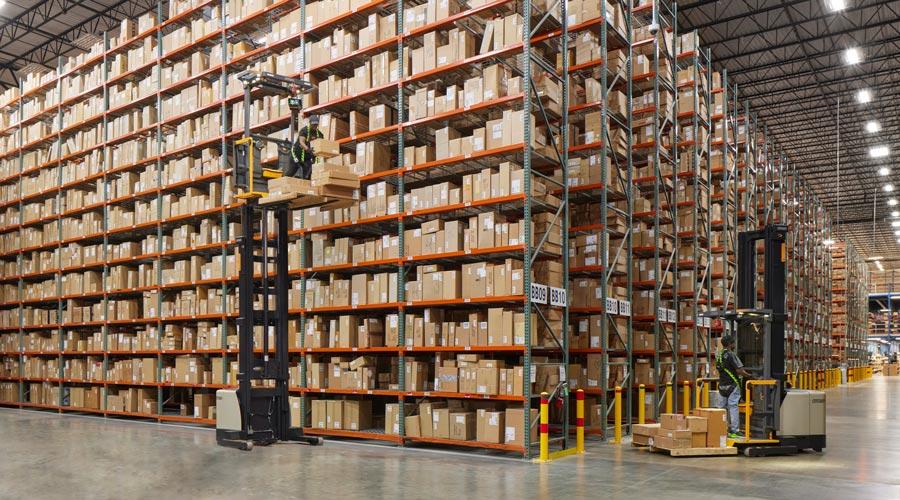
Lift truck operators have a lot to manage. They’re moving product, navigating busy aisles, working around other equipment and people and trying to stay productive through every shift. Add workforce turnover, changing workflows and higher throughput expectations and the job gets even more demanding.
That’s one reason operator assist solutions are getting more attention in fleet planning. These technologies give operators added support to work with more consistency, confidence and awareness in demanding warehouse environments.
Early Planning Can Improve Outcomes
Operator assist solutions may involve travel speed management, lift height assistance, fork tilt positioning, proximity awareness, stability support, guided travel or other features. These features can reinforce training, increase productivity and make repetitive tasks easier to perform consistently.
Before selecting a technology, it’s important to understand the specific challenge you’re trying to solve. Are certain tasks creating bottlenecks? Are damage incidents or corrective movements happening in repeatable patterns? Are operators struggling with consistency across shifts? The better the problem is defined, the easier it is to choose technology that fits the work.
Improving the Operator Experience
Operator buy-in can help support a successful implementation. A system that feels helpful, intuitive and relevant is more likely to earn operator trust.
Operators should understand why the technology is being introduced, how it can enhance their work and what expectations may change. When people are included in the process, they’re more likely to engage with the technology. Trust builds over time as operators experience the system in real workflows and see how it supports their day-to-day tasks.
Data-Informed Decision-Making
Many operations start looking at operator assist technologies because something has already called attention to a problem: turnover, throughput constraints, equipment damage, rework or other recurring issues. However, it can be helpful to transform initiatives inspired by events into initiatives based on data.
Data enables fleet managers to see whether the same issues are showing up by shift, operator, task or area of the facility. Helpful metrics may include onboarding time, interruptions, task completion time, operator feedback, equipment utilization, damage incidents and variability between operators or shifts. Baselines like these give you benchmarks to measure against after the technology is installed.
Testing in Real Operating Conditions
A short demo usually won’t tell the whole story, especially if it’s limited to a single, isolated lift truck. A structured proof of concept is more useful because it lets you evaluate operator assist solutions under real operating conditions.
Test with actual workflows, equipment and operators handling real production expectations. You’ll also want to set clear goals before the test begins. For example, are you trying to improve consistency, reduce a specific type of interruption or reinforce training?
A phased approach often helps in operations where layouts, workflows and habits are already established. Introducing operator assist features over time can reduce disruption and give teams a better chance to evaluate results.
Integration Includes Technology, Training, Service and Support
Integration goes beyond whether a feature is physically built into the lift truck. Fleet managers should look at how the solution fits the equipment and workflow, including:
· How the solution communicates with lift truck systems
· How it affects the operator experience
· How it is installed or activated
· How operators are trained
· Compliance and risk-management expectations
· Serviceability and ongoing support
The strongest implementations account for people, equipment, processes and support. They also define who’s responsible for training, performance review and ongoing improvement.
Empowering Operators to Provide More Value
Operator assist technologies aren’t a substitute for proper instruction, supervision, accountability and judgment. Operators still make the decisions that keep product moving. The right technology should make good operating habits easier to repeat, not take judgment out of the operator’s hands.